We've been thinking about this problem since 2018.
Stream wasn't built by engineers who interviewed some doctors. It was built by physicians who spent years researching why the medical record fails — and what to do about it.
In 2018, three medical students had a simple idea: automate the discharge summary. Every physician knows the feeling — a patient ready to leave, a dense chart to synthesize, a document to write that no one will read the way you wrote it. We wanted to fix that. The tools weren't ready. The NLP models of the time couldn't reliably extract clinical meaning from free text. So we published research on extracting clinical meaning from free text, presented it at a conference, and kept going.
What we built next was more revealing than we expected. Working with Boston Medical Center, we trained a machine learning model on radiology reports — teaching it to identify newly discovered adrenal incidentalomas and flag them for follow-up. What we discovered wasn't just that the model worked. It was that patients with incidental findings were routinely falling through the cracks, not because anyone was negligent, but because the medical record had no mechanism for longitudinal tracking. It wasn't built for projects. It was built for notes.
That insight became the foundation for everything that followed. We published research showing that more than half of all text in a large academic health system's medical record was duplicated from prior notes — and the fraction was growing. We designed and built a prototype of what we called a "noteless" EMR: a system organized by medical problem rather than by date, author, or encounter. We published that work too. The vision was clear. The technology to make it practical for everyday primary care wasn't quite there yet.
Then LLMs changed what was possible. The AI scribe problem — the one we couldn't solve in 2018 — became tractable almost overnight. We had the research foundation, the clinical perspective, and years of thinking about what the chart should actually be. Stream is the product that came from all of that.
"The note isn't the problem. The note as the only organizational unit for clinical knowledge — that's the problem. Every patient is a longitudinal project. Stream is built to manage it."
Physicians, engineers, and researchers — building the tool we always needed.
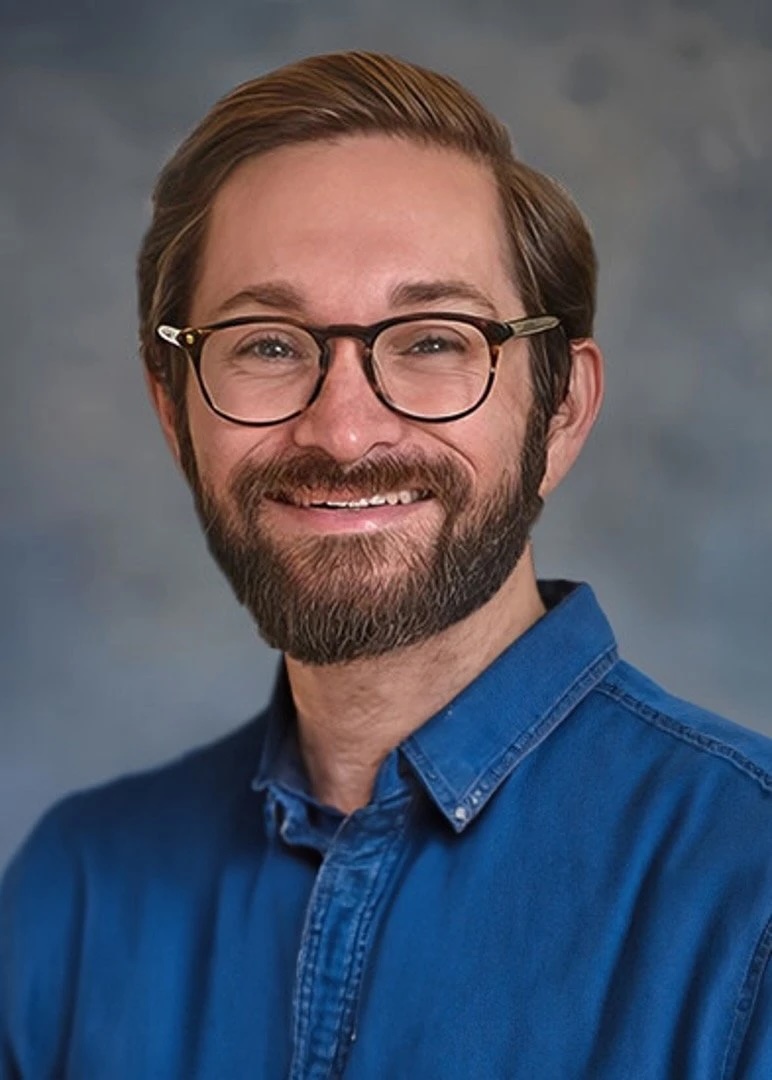 Jacob Kantrowitz, MD, PhD
 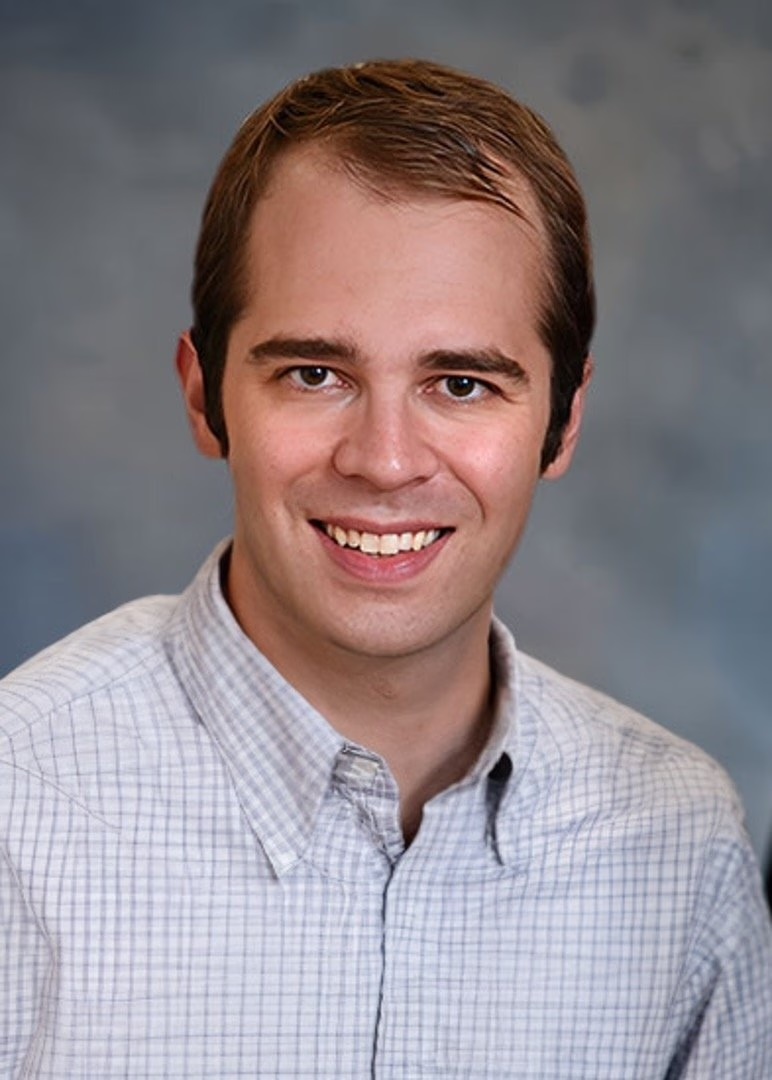 Jackson Steinkamp, MD
 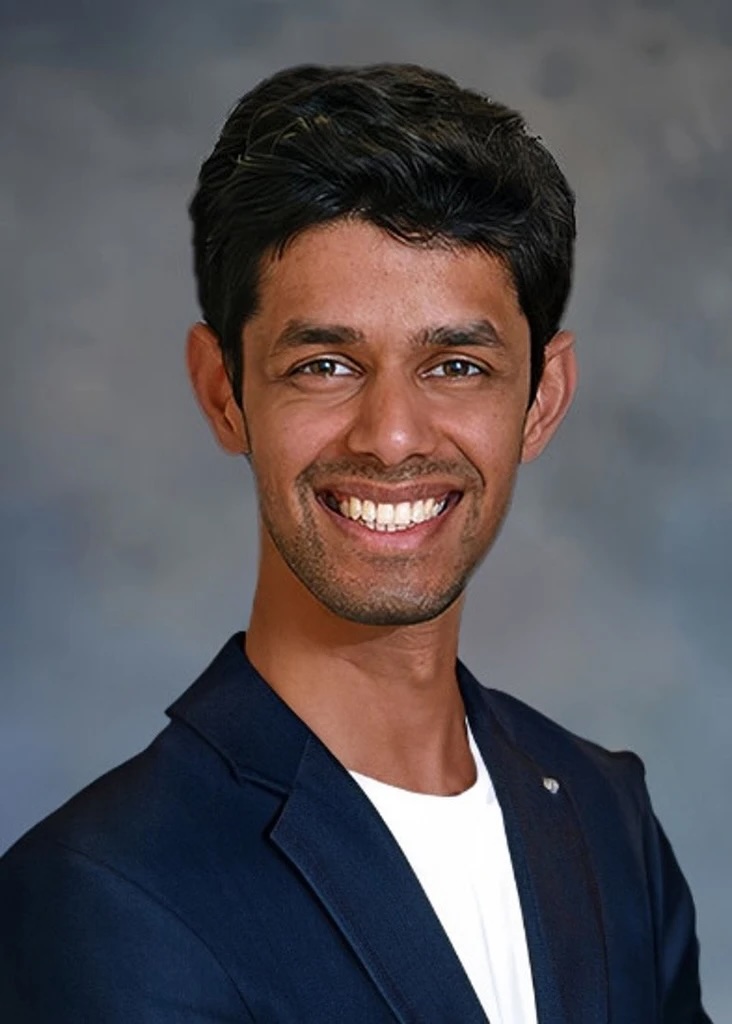 Abhinav Sharma, MD
 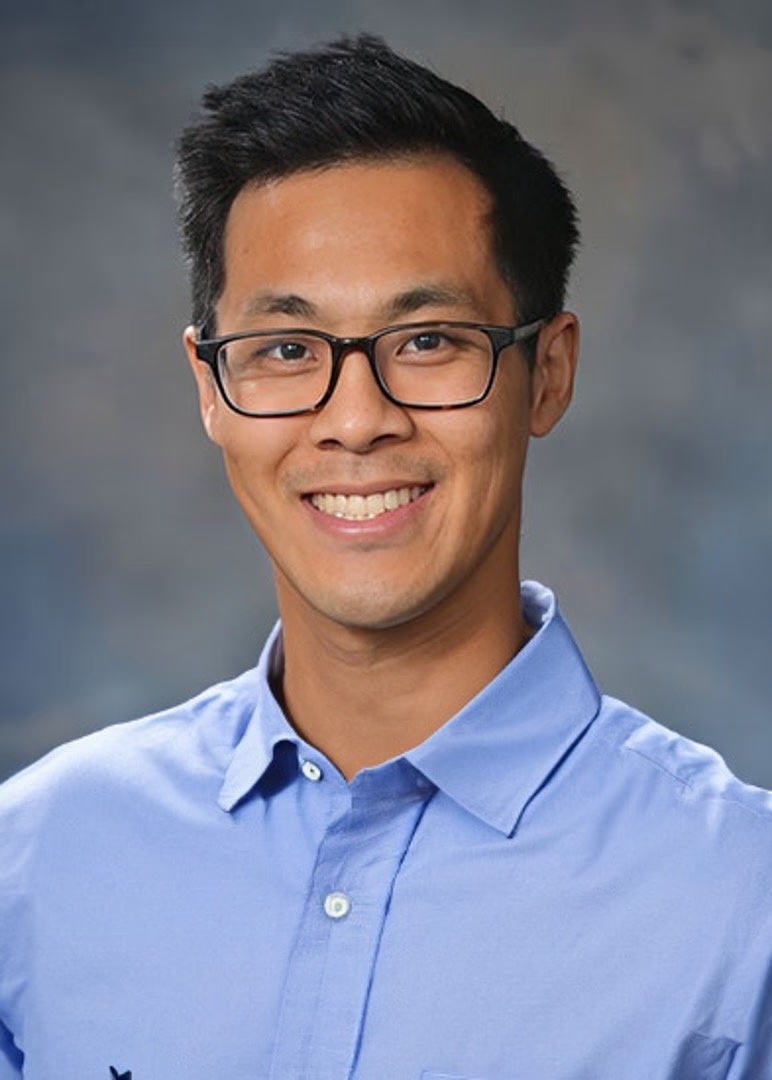 Derrick Chu, MD, PhD
 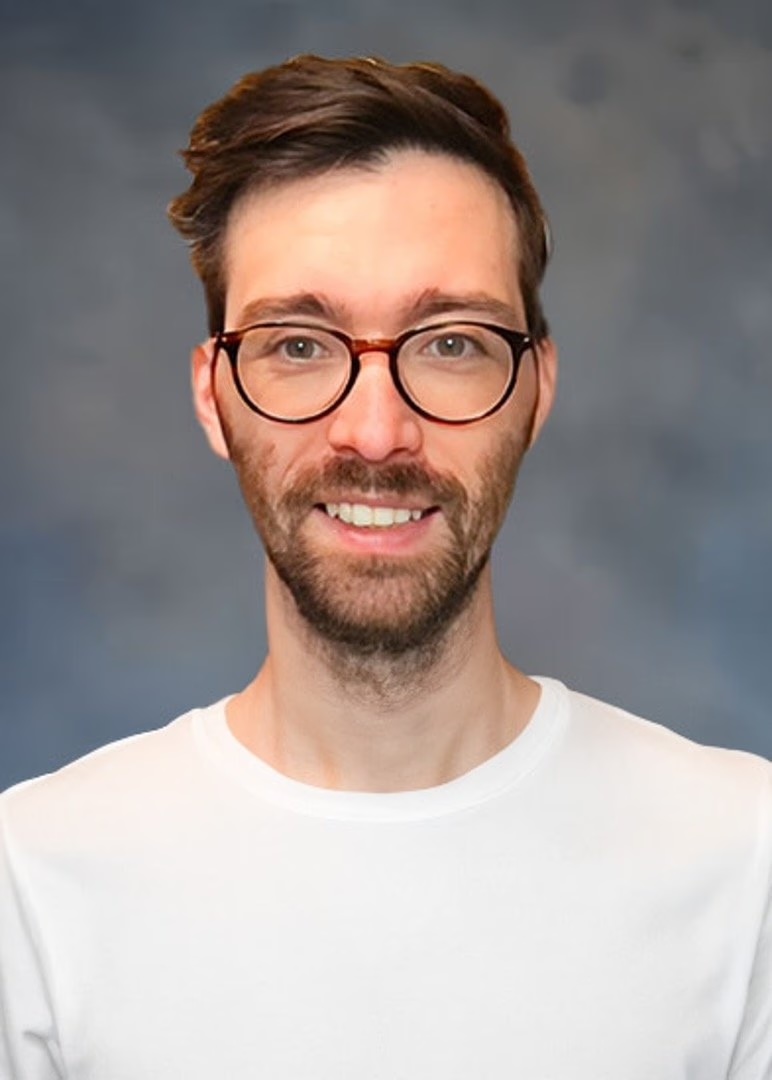 Fyodor (Teddy) Wolf
 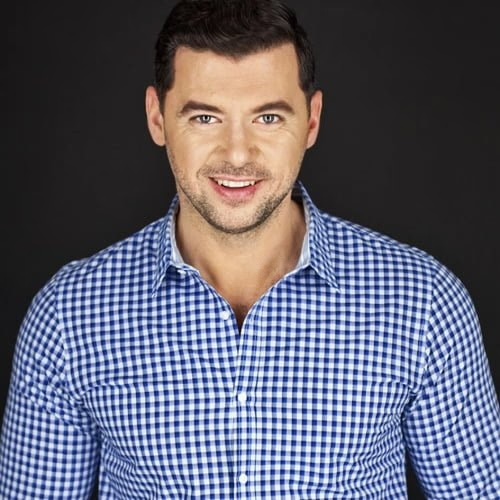 Peter Smyrniotis
 The work behind Stream.
Our approach to documentation isn't a hypothesis — it's a body of peer-reviewed research developed over years of clinical informatics work. Read the full research story →
See the product the research built.
Built by physicians, for physicians.
A 20-minute demo with a clinician who uses Stream daily. No pitch. Just the product.
hello@riverrecords.ai · We respond same day.