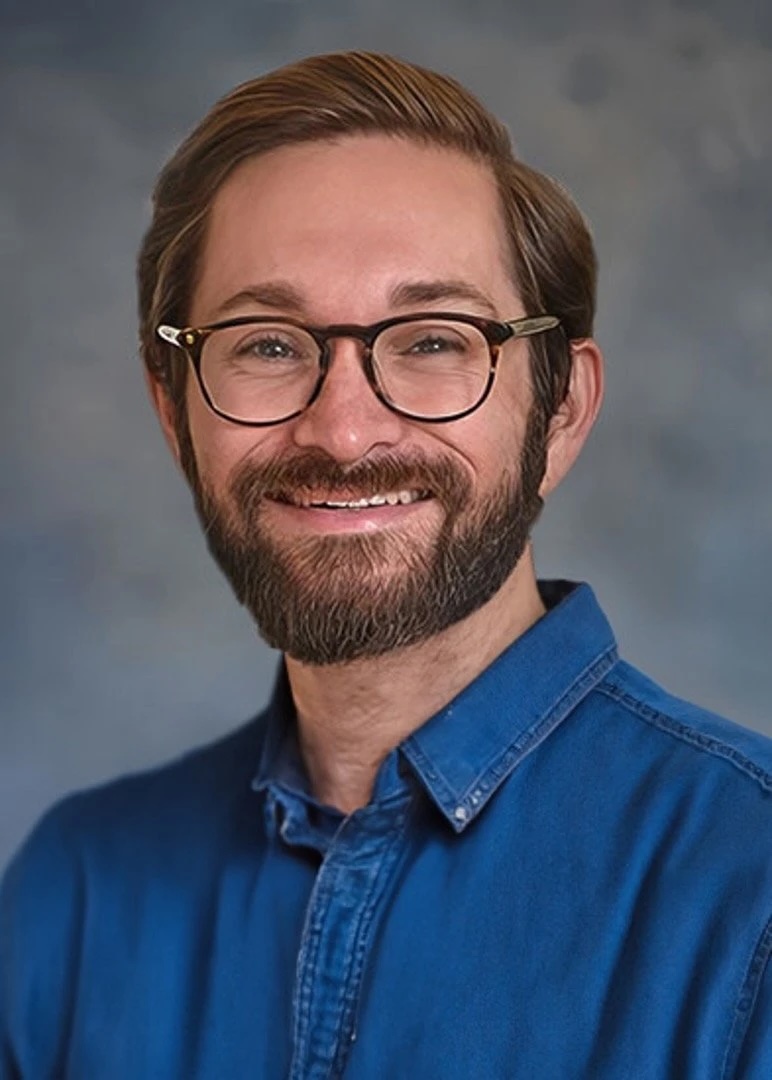
Jacob Kantrowitz, MD, PhD
Jake co-founded River Records to build better software for physicians. He's a practicing internist, Assistant Professor at Tufts University School of Medicine, and a published researcher in clinical informatics and natural language processing.
His research on duplicate information in the electronic medical record — published in JAMA Network Open — showed that more than half of all text in a large academic health system's chart was copied from prior notes. That finding became the foundation for Stream's problem-oriented approach to clinical documentation.
When he's not working with River Records or seeing patients, you'll find him coaching his kids on the soccer field, baking bread, or riding his Peloton.
Interviews
Hosted elsewhere — each link opens on the publisher's site.
Posts by Jacob
77 articles
The Question That Matters Is About This Patient
Some AI scribes now describe answering questions beside the note, including about a patient's prior visits. Useful. But retrieval can only read a decision's reason if someone kept it.
Nov 20, 2026The Paper Chart Was a Shared Artifact
On one hospital unit the paper chart was a binder that stood for the patient, written in by many hands, and it passed through one person's desk. What computerized ordering bought is not negotiable. The question is what can now be added back alongside it.
Nov 19, 2026Coding Help Is Only as Good as the Note Under It
E/M code suggestions are arriving inside documentation tools, and they will get good. But a suggested level is only defensible if the note carries the medical decision-making: the problems addressed, the data reviewed, the risk of the management chosen. The fix is upstream, in how the note is built.
Nov 18, 2026The Plan Is the To-Do List
The work after a visit is already written down, in the plan you signed. Whatever chases it, a person, a task tool or an agent, should start from that plan, not from a second list rebuilt somewhere else.
Nov 17, 2026The Running Summary: Copy-Forward Is an Adaptation, Not Carelessness
Copy-forward isn't carelessness. It's how good clinicians keep a patient's story in front of them when notes give it nowhere to persist, and it takes upkeep.
Nov 16, 2026The Context Should Depend on the Question
Most EHR work is context reconstruction: rebuilding, by hand, what you need to know before you can answer a lab, a message or a colleague. The EHR's answer is the same bundle for every question. Context should be built from the question itself.
Oct 19, 2026Structure Is Only Worth What It Does for You
Many clinicians want an AI scribe that fills every field their EHR template offers. But most of those fields do nothing with what you put in them. Structure earns its clicks only when something downstream uses it — and that is a different thing from the boxes.
Oct 19, 2026You Shouldn't Have to Trust the AI Scribe. You Should Be Able to Check It.
Every AI scribe makes the same seven quiet errors, ours included. Reliability isn't a vendor's accuracy percentage — it's whether you can find the mistakes before you sign. How to review a note in ninety seconds, and what to ask a vendor.
Sep 15, 2026Filed Isn't the Same as Read
Introducing Stream Inlet. Every record that arrives at Stream gets read, filed to the right patient, and laid out under the problems it concerns — with every fact one click from the page it came from.
Aug 18, 2026